Underrated, Underseen, Underappreciated: 20 Horror Gems, and Those Deserving of A Little More Love
Claims for the lesser known often come with the expected titles perhaps not not-niche, but barely beneath the iceberg - let's dive deeper and shine a light on what I believe are criminally overlooked.

No Telling (Larry Fessenden, 1991)
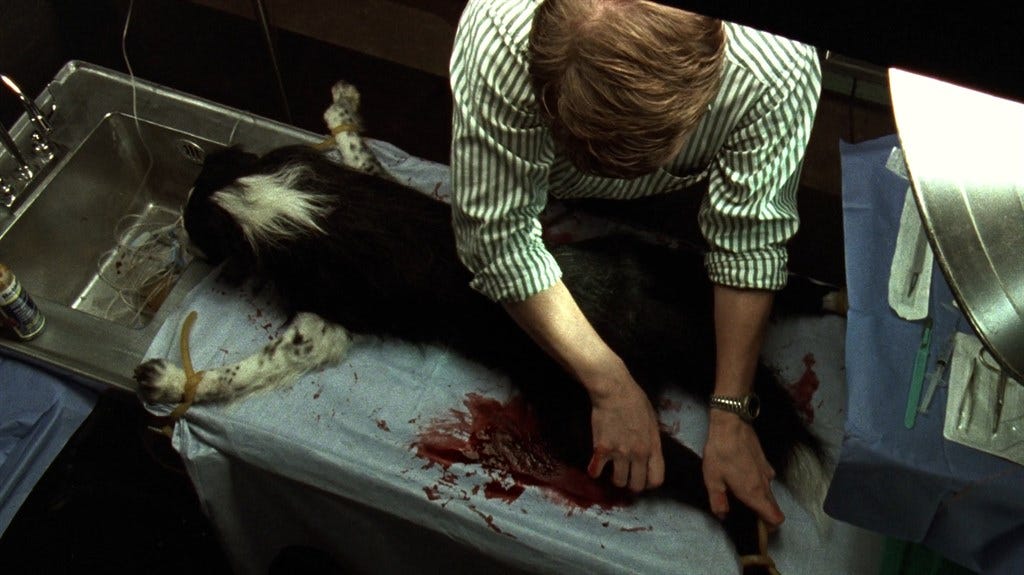
Mary Shelley’s timeless text of man-playing-god, soul-syphoning, bodily manipulation + raising of the not-so-dead has been adapted about since the dawn of film, seeing an early silent rendition in 1910, stretching to our most recent Netflix gloss with various faithful adhesions and just as many deviations. Though the reigning classic in Universal’s Boris Karloff landmark can be considered the staple, it’s tales like these (and, of great in-tandem note, Andy Worhol’s Udo Kier 3-D exhibition that deserves a direct mention in the conversation) that prove the malleability of the story, and how darkly maniacal it can become when stretching the boundaries of morality against mortality—Larry Fessenden’s early feature depicts this wonderfully, melding a fair bit of rural American grime to tinges of sci-fi and fantasy as anything but, grounded in a blistering humidity locked in a countryside shed so intimate, yet unmistakably miserable. The deterioration of human love through a channel of passion runs thick, combing through a myriad of gorgeous 16mm photography that pools on the brow against a lush, green-summer backdrop playing host to the furthest-opposite experiment on life’s elasticity—a must-see for any fan of the aforementioned tale, and all things regional horror.
Streaming on AMC+; available as part of Vinegar Syndrome’s 4K Larry Fessenden Vol. 1 set

Hell’s Trap (Pedro Galindo III, 1989)
Part backwoods slasher, part guns-blazing Rambo-ifications: Mexican-horror maestro Pedro Galindo III delivers an extremely tantalizing blend of genre forays, donning a Freddy claw wrapped about a fully-automatic trigger in an uncanny head full of blonde for the ages. Hell’s Trap finds itself landlocked in the autumnal brush of late 80s/early 90s, stabbing at the sub-genre with an anything-goes amalgamation of eerie mask work/hollow, labored breathing à la Michael Myers, the aforementioned blade assortment of choice, and an unspoken, aggravated self-defense—though, to dilute this to simple mashup connotation is to shrink its perfection of form, mixing the melodrama, premise absurdity, glee for bright-red splashes of blood, location work… ya know, about anything you could ever hope for in an 80s B film. It capitalizes on a horror craze and adorns its skeleton with thrills derived from a track of greatest hits compiled and stomped into its own individual iteration: taut, entertaining, and particularly crisp in the mountainous ambiguity pining to wound.
Viewable on YouTube; available via Vinegar Syndrome on blu-ray
Black Past (Olaf Ittenbach, 1989)
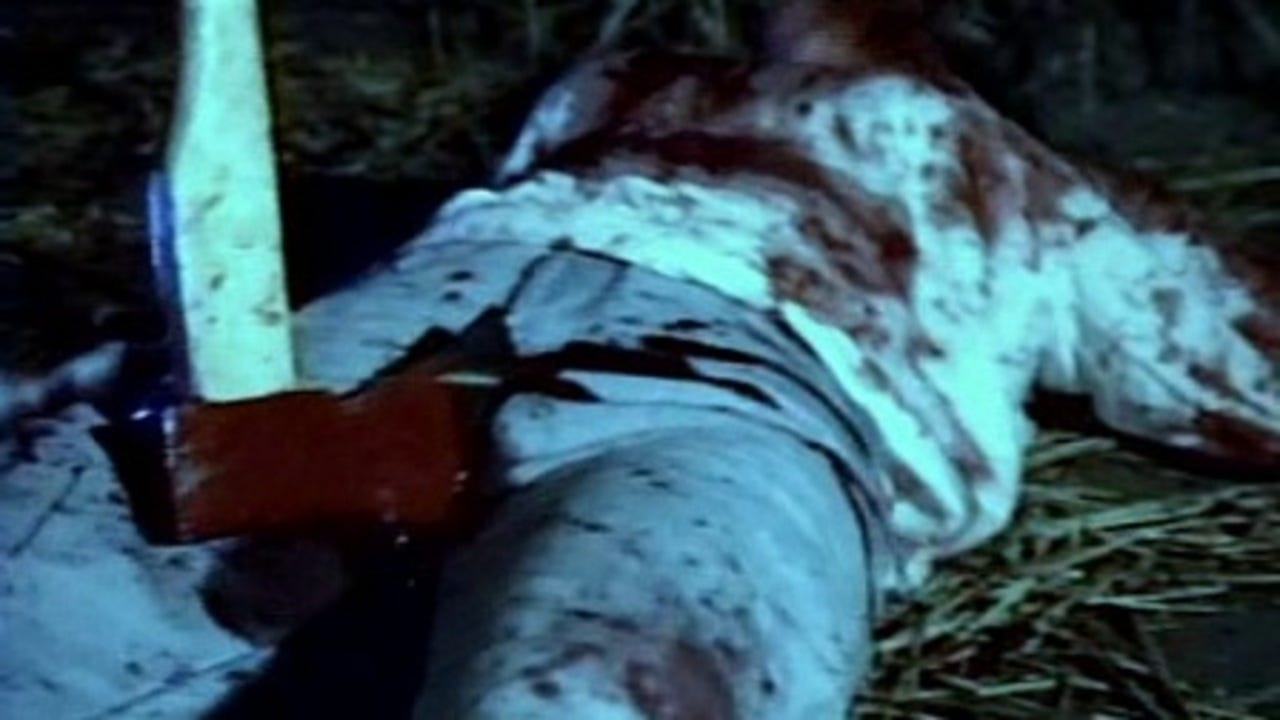
A festival of SOV psychopathy, this directorial debut’s galore of gore kicks up from our protagonist Thommy’s acquisition of a possessed mirror found in an attic, aka, the vessel for eventual demonic disfiguration after being tormented by shocking visions where his lover (or just crush?) continues to rise from the grave and wreak horrid, putrid havoc—the film’s cyclic, repetitive nature forms a darkly comedic tumble into total disintegration, where premonition, reality, and apparition become indistinct from one another, bound by aggravated bodily mutilation and a thick, muggy atmosphere to choke on. incredible effects, and a lot of hearty warmth from goofy character charisma and a clear dedication to the craft. somewhere between Evil Dead and Braindead, created by a barely-twenty year-old in a German no-man’s land. Essential lo/no-fi horror for the hounds—works best viewing on the worst print possible.
Scanned to YouTube; available via Massacre Video on DVD
The Killer Condom, (Martin Walz, 1996)
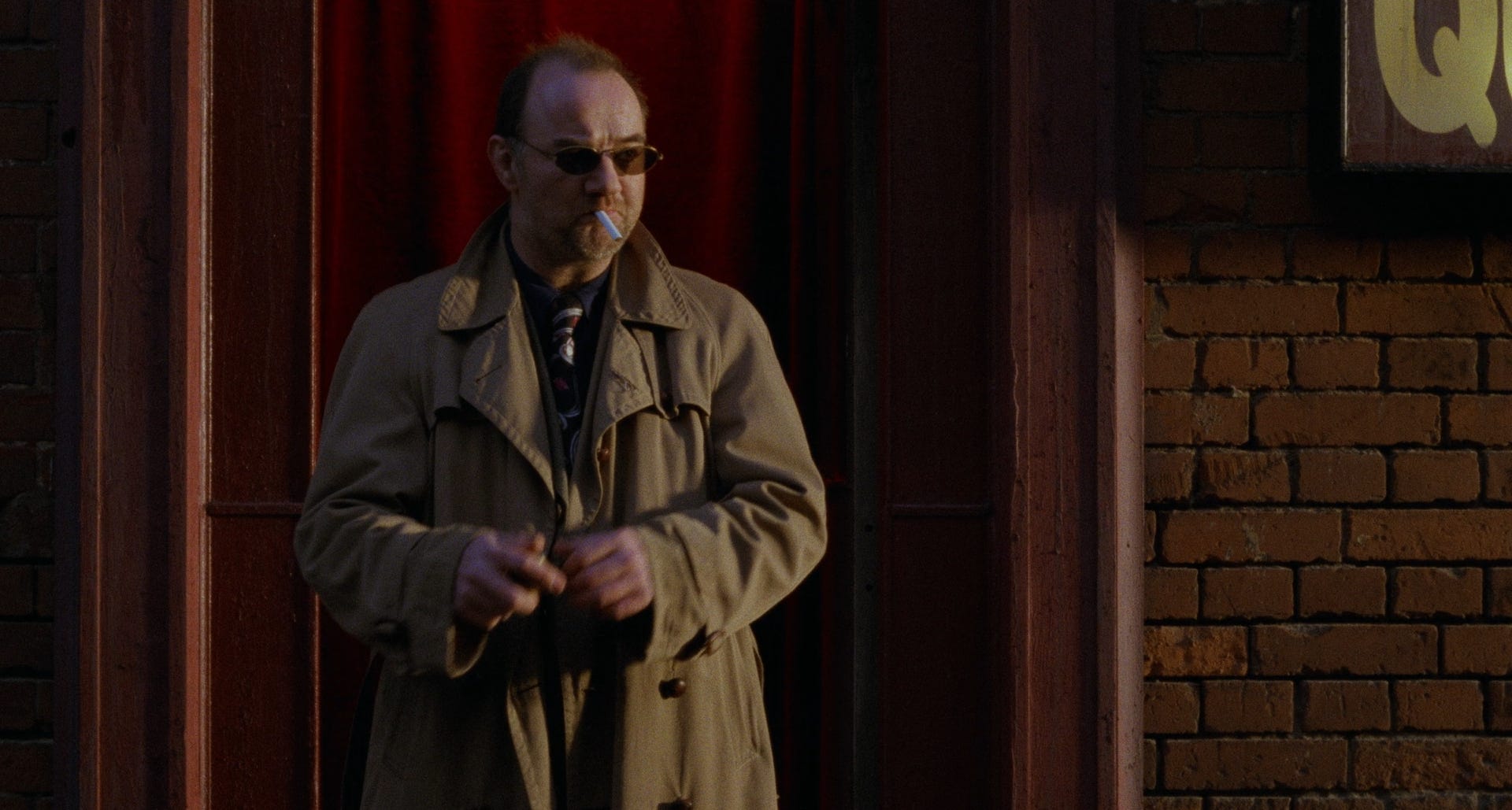
Look: recommending a film with a title like this as an underrated must-see may seem laughable or trite when aiming to spotlight anything to a wider audience, but, boy, is this something special. Henenlotter horror squirms into a New York noir played for keeps, inducing comical merit from how high-held the low-brow filth of a rubbery, razor-toothed emasculation epidemic becomes—Killer Condom’s choice to lean completely into crime-detective tendencies rather than giddy mockery by way of Troma (who, of course, eagerly secured its rightful distribution circuit as a film that couldn’t possibly belong in any other catalogue) immediately locks this into the upper-echelon of genre gutter pieces with a great grasp on narrative control, development, and wit, where severed dicks are the name of the game for an unexpected landmark in queer and progressive cinema under the guise of D-list creature-feature. Every performance is a total knockout, with Udo Samel’s Luigi Mackeroni layered so, so wonderfully between jazz-horn/cigarette-burning voiceover chronicles and mystery procedurals that somehow persistently entice as the rabbit hole gets more and more slimy, emulating a 70s NYC foray into trench coat grain with a hell of a twist.
Streaming on Tubi; available on 4K via Vinegar Syndrome
Living Skeleton (Hiroshi Matsuno, 1968)
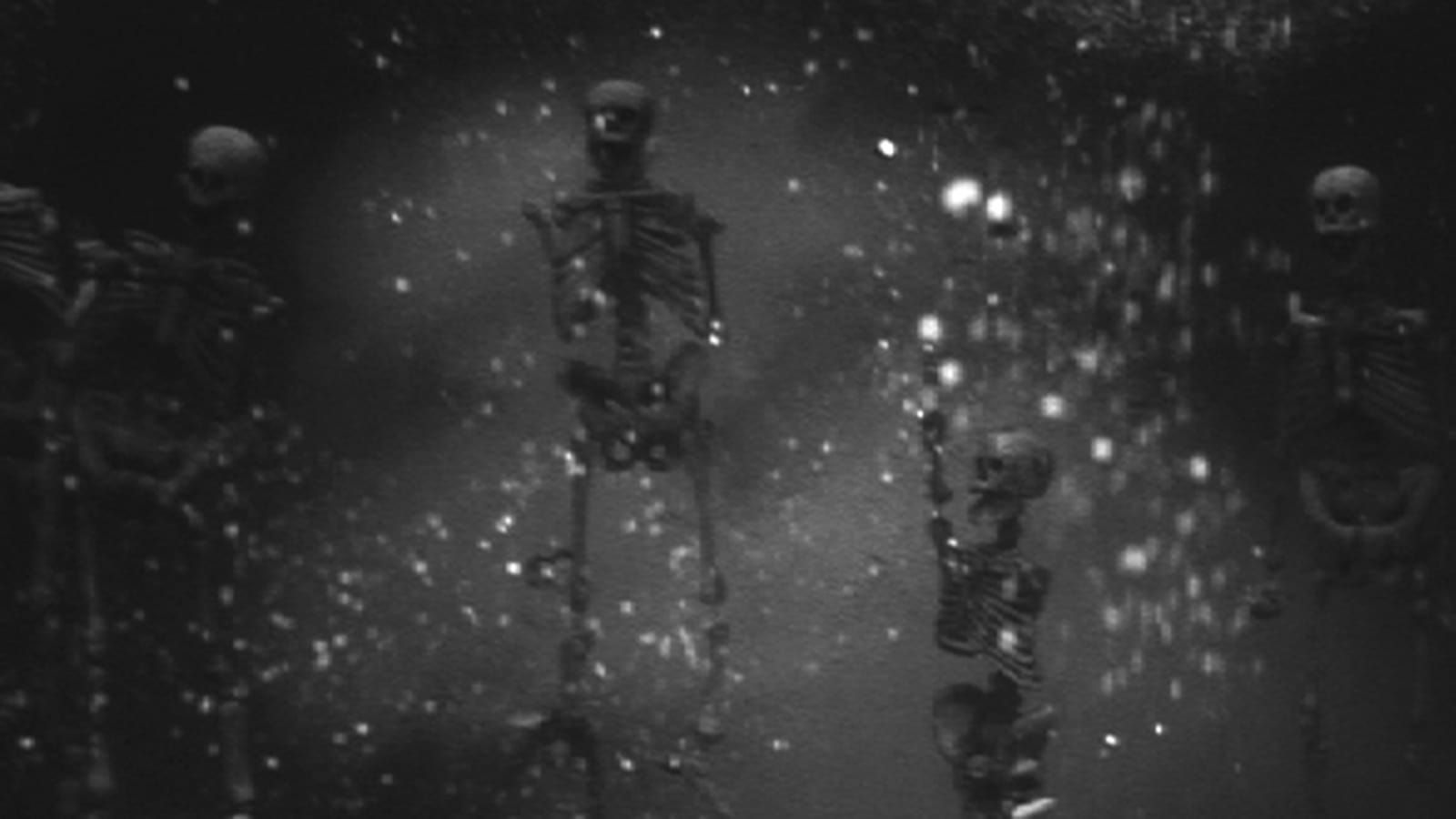
Among the most hidden of spectacular efforts that’s surprisingly readily accessible thanks to Criterion. Coastal gloom chock-full of phenomenal imagery as a foggy atmosphere adorned with rubber bats, phantom vessels, spectral twin flames, and bats hovering about like ocean gulls swirls around religion and revenge in Japan’s late-60s shores, where tragedy swallows it whole. The definition of haunting to a T, even more so with how amalgamative it is with the total scope of the genre and the varying styles from Western influence in hind/foresight, namely with Eurogothic’s spread and its appropriate traversal across waves + its preexistence to the likes of The Fog, and really, Argento—it’s abandoned in a liminal space of lush black and whites, yet stretches a colorful breadth of familiar themes, all dressed in an eerily reminiscent sound of some Morricone parallel lost at sea.
Streaming on the Criterion Channel; available via Criterion in their Eclipse Series 37 set on DVD
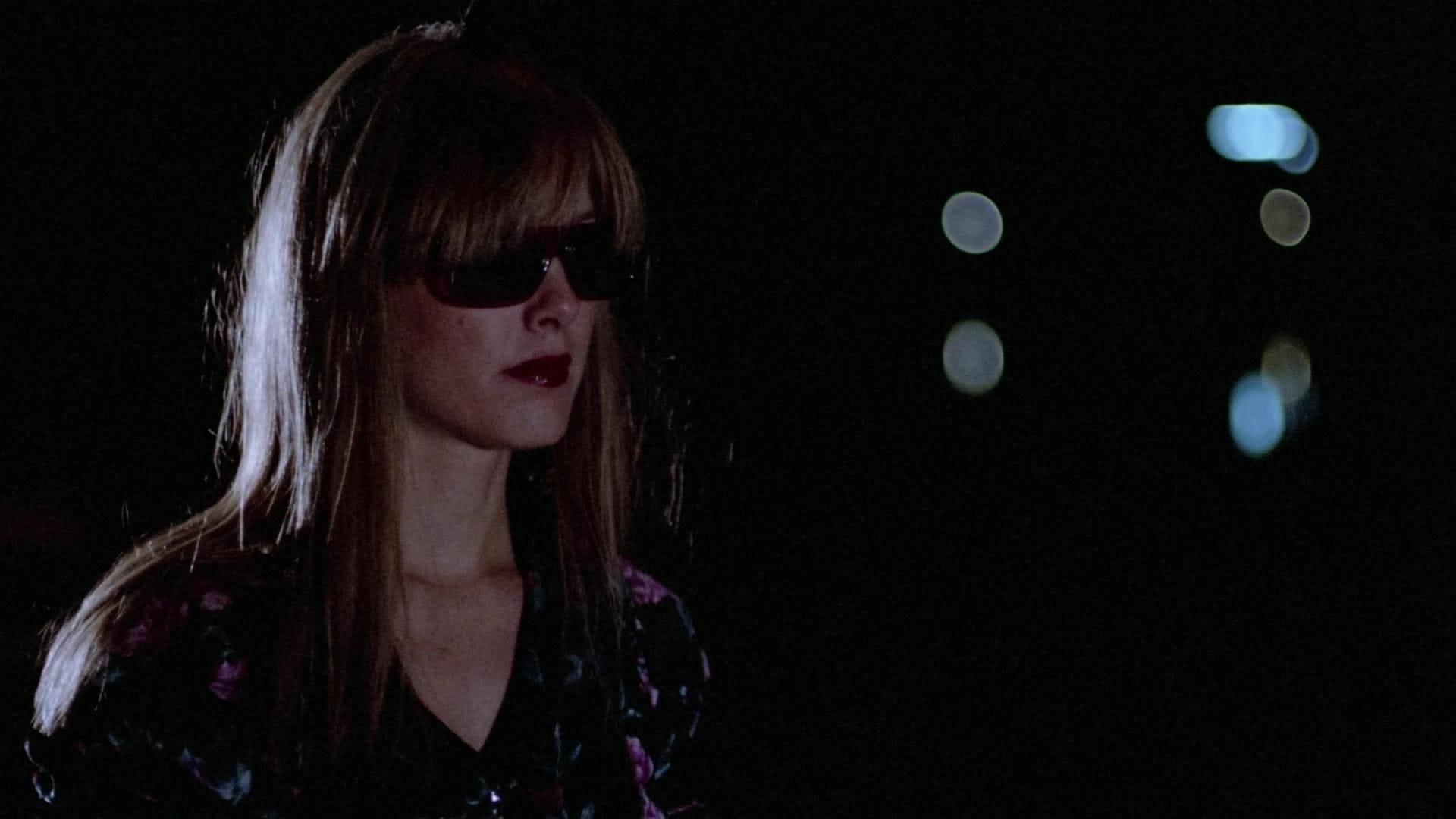
Olivia (Ulli Lommel, 1983)
Hopes of a new life through the blossoming of love: oh, how perfect a climate for erotic terror without restraint. Olivia sports a thick, moody atmosphere synonymous for the grainy haunt of some of the most extreme instances of childhood trauma, festering quietly beneath the surface and behind the eyes in, aside from bursts of impassioned, soft-piano-keyed departure, a muted emotionless that conveys just as much horror as the neon-splattered blood on the cold sheen of a steel knife. Suzanna Love embodies the titular role incredibly well, joining Ulli Lommel in turning what initially seems to be mundanities of a trash-thriller into a perhaps not a proper character study, but one that can morph its magnitude of deadened mental despair into a rupture in something unexpectedly adjacent to De Palma. Captivating, really.
Streaming on Tubi, Plex, Eternal Family, and Troma Now!; available via Vinegar Syndrome on blu-ray
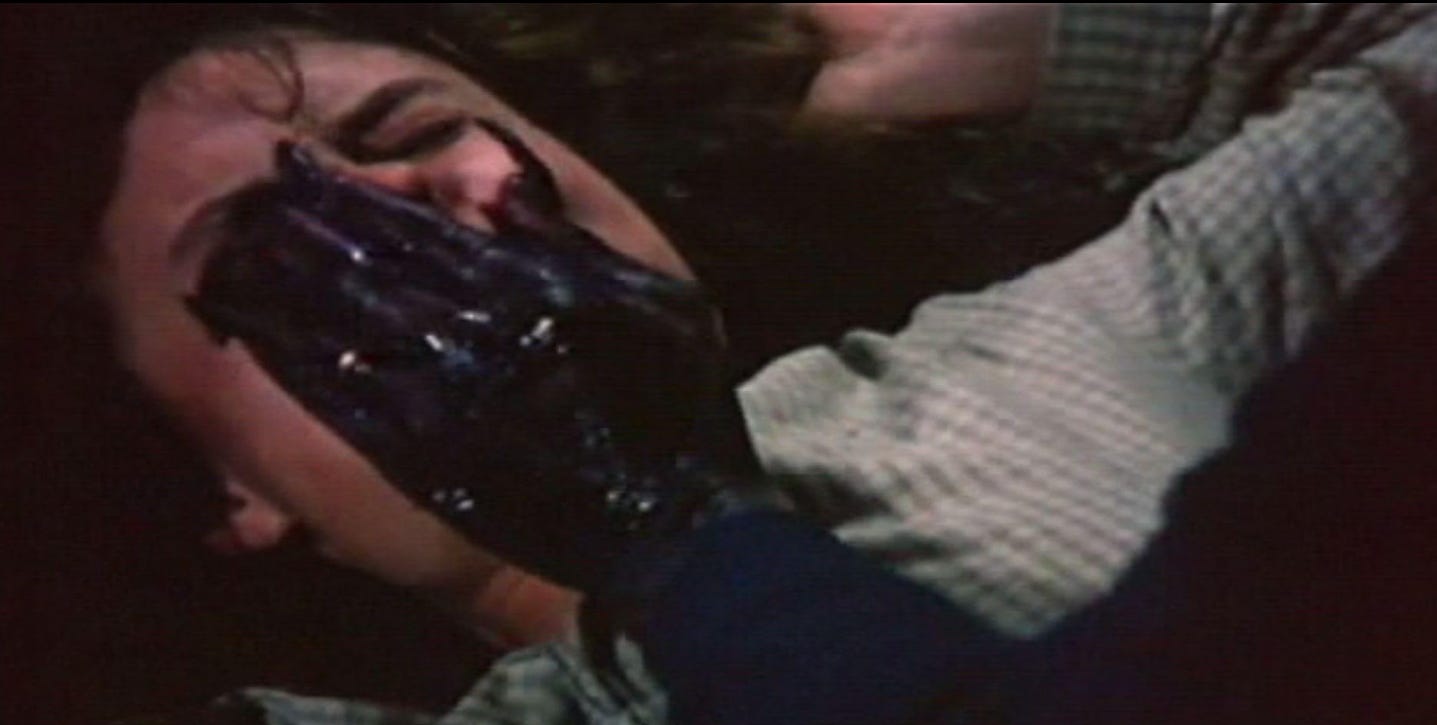
Invitation to Hell (Michael J. Murphy, 1982)
Among the greatest advocates for possibilities no matter the resources. Invitation to Hell is an eerie, brisk exercise in regional SOV dread, achieving in ~44 minutes what countless modern horror feature-lengths only hope to come close to doing, weaving zero-budget charm between wooden acting and glorious, glorious gore into a supernatural slasher, emerging perfectly in the ripe early years of the 80s like a blurred, post-Fulci/pre Ittenbach haze. Phenomenally rendered, especially given its constraints, and gorgeously restored—a late, but new essential for micro-genre heads.
Streaming via Night Flight+; available via Indicator/Powerhouse in one of the greatest box sets ever curated, on blu-ray
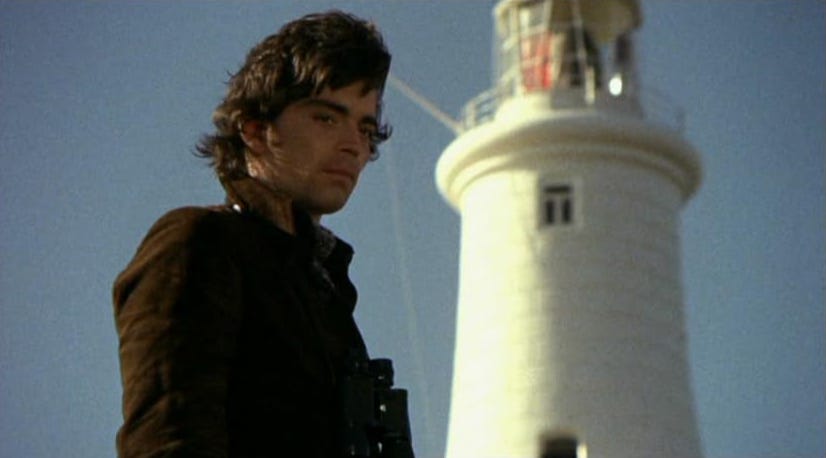
Neither the Sea Nor the Sand (Fred Burnley, 1972)
Can’t imagine how the tagline “if the Spirit will not leave the body, can LOVE conquer DEATH?” couldn’t demand an immediate watch of this one. Coastal romance subject to all the breezy beauty and encumbering fog, trapped somewhere between the two in a swollen heart’s shoreside gravitation towards the nearest beacon. Couldn’t help but be reminded of Robert Altman’s Images in parts, neighboring the film in 1972 with such distinctly vigorous composure about a psyche torn at a sangfroid fracture—continually breathtaking, maneuvering stoic eroticism desperate to be devoured by entrenching horror, but instead, perfecting a balancing act with the parallel drama. Susan Hampshire, a new favorite beloved necrophiliac.
Viewable on YouTube; available via Vinegar Syndrome on their Labs sub-label, on blu-ray
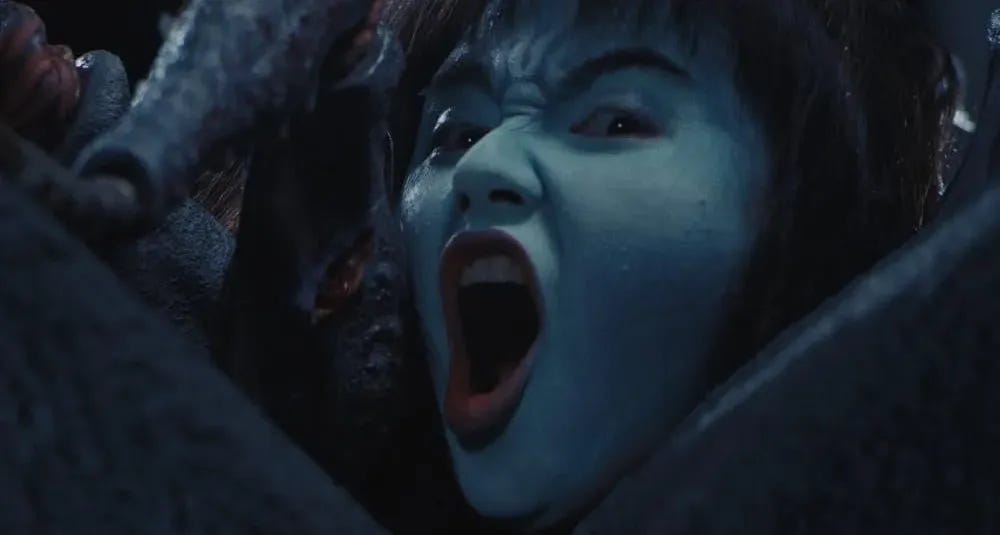
Hiruko the Goblin (Shinya Tsukamoto, 1991)
Shinya Tsukamoto is no strange name to horror heads, but the #10 slot on his most popular films may be, and it sure is a shame. Hiruko is nestled between Tetsuo films Iron Man and Body Hammer, where the director finds himself at his most “accessible” in all the best ways possible, not compromising a speck of his trade in exchange for Hiruko’s wild amusement even for one second, still incorporating the sweat by way of pink, summer hues and rigid, claustrophobic environments, and the panicked filmmaking by way of terror-induced freneticism. The camp is immeasurable, blending a myriad of thrill-ride horror tones from Raimi to Ghostbusters, conjuring an exciting journey that seldom lets up, all driven by Tsukamoto’s intrinsic talent for grit and grip—here, such traits are geared towards entertainment value, infusing body horror with oddball adventure, and every bit of it soars with flying colors. A brilliant change of pace while combing through a particularly painful (complimentary) filmography, like a breath of fresh, yet familiarly decrepit air that is simply fascinating.
Sift the ol’ web for back-end streaming; or, available via Mondo Macabro on blu-ray
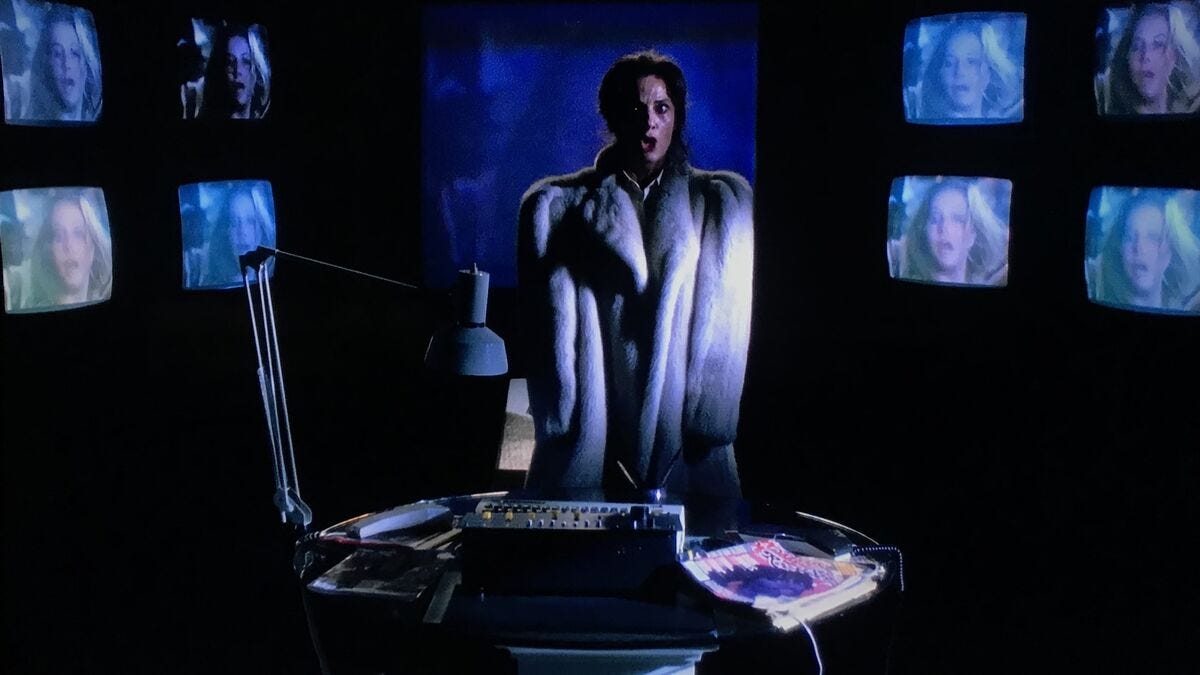
Murder-Rock: Dancing Death (Lucio Fulci, 1984)
Fulci may be better known for his knack/taste for grisly gore heightened by supernatural tendencies and buckets of maggots, but his place in the zone of giallo cannot be understated, nor can this film’s place beneath the similarly-enthralling likes of Don’t Torture a Duckling, or even The Psychic. Fulci fires every attainable cylinder here, tipping a malicious hatpin to all the colors of giallo under its own limelight stun that’s simultaneously of peerless filmic physique, and in near total satirization of the two-decade fatigue such avenue of horror was enduring, and beginning to fizzle out beneath. The procedural’s charisma superimposes itself over the herring-heavy narrative redness like another layer of black-leather skin—where farce may rear an ugly head, Cosimo Cinieri’s animated apathy amidst a serial slaughter he’s solved from the jump levels the otherwise eye-rolled ease of genre which, subsequently, thrusts the visceral, heart-gouging peril to the forefront in a f/slash-dance fluorescence masterfully mesmeric before gaudy. Unreal camerawork and lighting—like a sentient fly on the wall embodying the oscillating shadows, seldom apparent, but as discernible a figure as any visible character, rushed with a pulse, flatlined alike.
Find it on YouTube; also available via Vinegar Syndrome on 4K
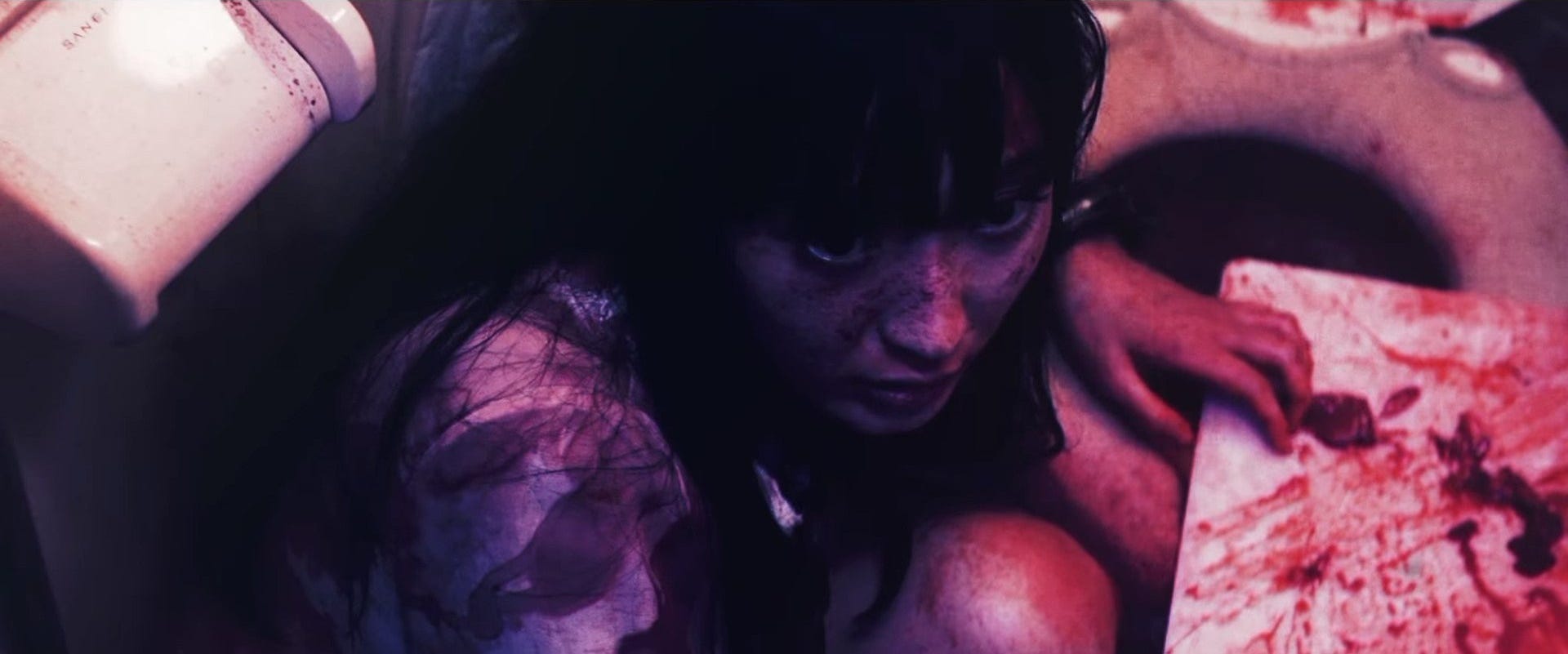
Mukuro Trilogy (Katsumi Sasaki, 2015)
Talk about a bad time, in the best way. Putrid innards doused in a thing of remarkable, unfathomable beauty, swirling about this elated daze of filmic/visual romantics within body disfigurement. Like j-horror threads stitched to 2010s gloss + late-Saw tendons—soft rock/pop plays lightly over dismemberment and splatter, not particularly in a trance of glee, but in a rousable, reactive vat of the warmest, emotive blood. Not sure what’s more fascinating: that this mood is balanced perfectly and effortlessly through all three short films, or the fact that it actually works. For the 90s lovers of guts with a taste for something sweet with their scuzz.
Not actively streaming; available via Error 4444 on blu-ray
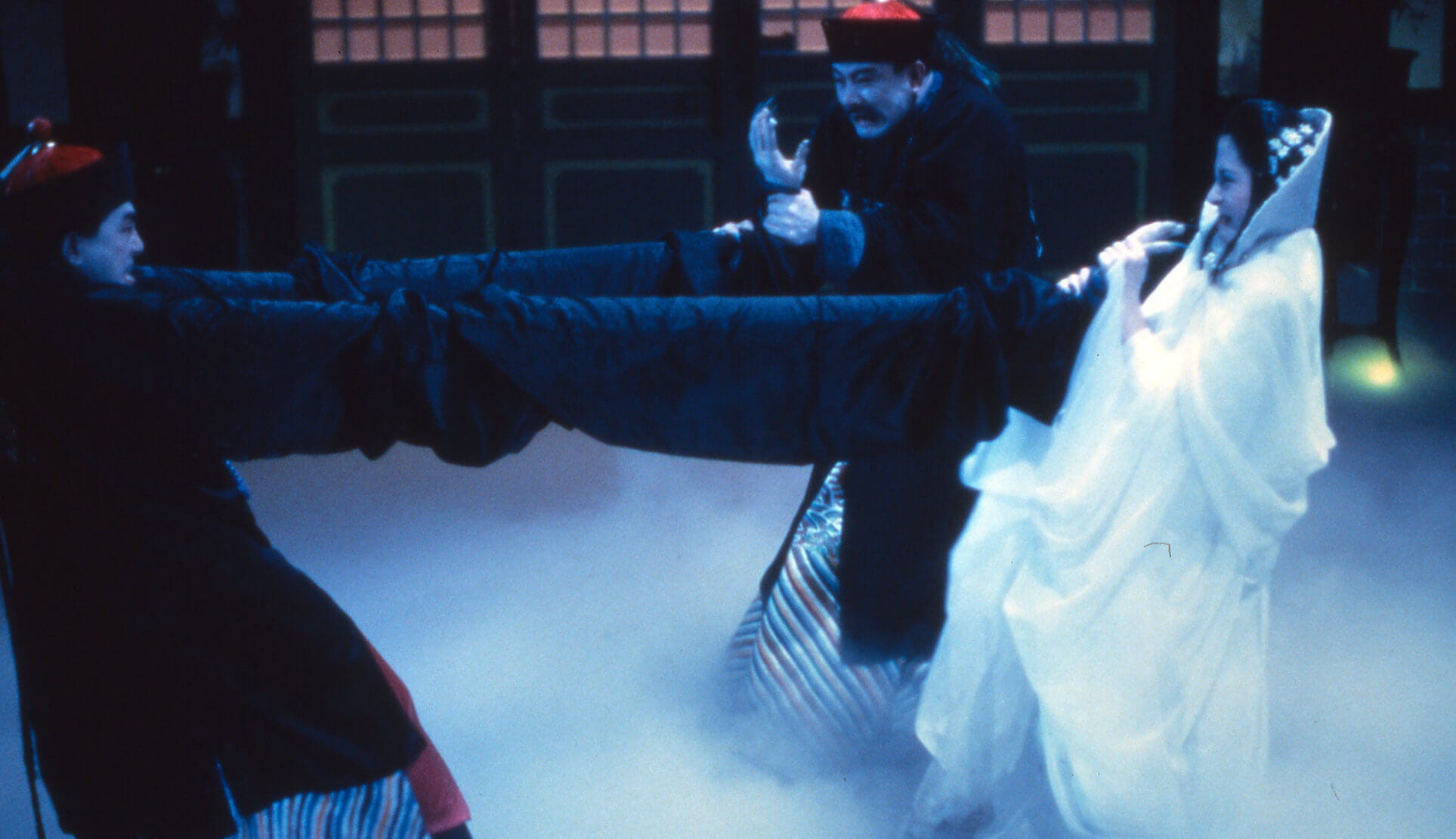
Mr. Vampire III (Ricky Lau, 1987)
It goes without saying that the two preceding films are essential watches before digging into this, however, they’re well worth the homework, and rewarding as ever once the threequel is reached. Mr. Vampire III hosts an abundant onslaught of innovative, kinetic, and relentless filmic amusement by way of wuxia/possession/comic-haunt-horror in another highly successful entry under the franchise umbrella. Where it lacks in originating hops, the third installment makes up for in all-out set piece and practical effect mayhem, splicing body horror into the goof Ricky Lau continues to have such an amazing eye for, capturing each and every particle of energy and assigning it to a free-flowing stream of rushes of blood to the head in a more-than-elating pinnacle in Hong Kong genre mashups. Phenomenal.
Streaming on The Criterion Channel (along with the first two films); available via Eureka Entertainment on blu-ray)
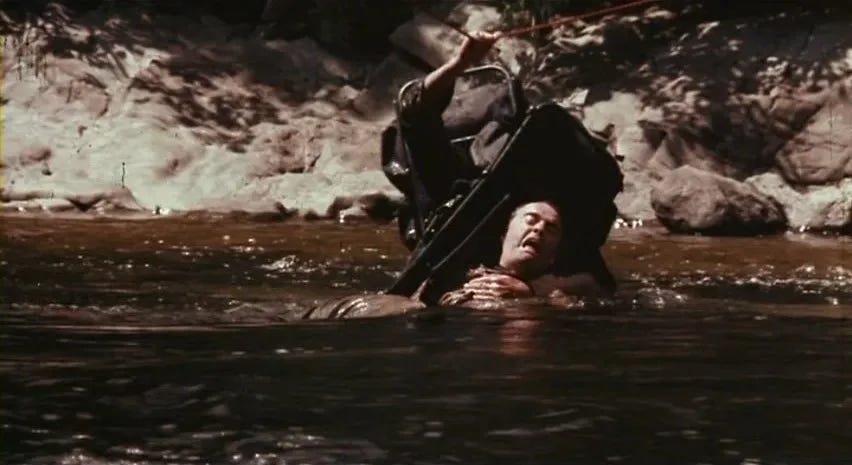
Rituals (Peter Carter, 1977)
Another god-awful time, to the highest of compliments. Rituals is a frantic unraveling of the minds of several society-deemed intellectuals as the noose of hunter + nature tightens around their initially unsuspecting, careless necks, until a fracture thrusts these kettled bodies into total survival overdrive. a dirty, gritty, and grim film, elevated by the raw, untreated transfer that managed to endure—the whiplash from slow-boil into this profoundly unnerving stream of consciousness between vile, stalked death and resultantly raptured psyches is as anxiety-inducing as it is defeating, thanks to the incredible performances delivered by each cast member (namely the pathos Hal Holbrook brings to the experience), and an effectively binding score to coincide with the dual chaos and suspense, simultaneously keeping the film sharp, dreadful, and in-turn, almost reluctantly somber. ‘70s horror was just operating on another level, and there’s nothing quite like it.
Streaming on Tubi, Prime, and Plex; available via Scorpion Releasing on blu-ray
Mother’s Day (Darren Lynn Bousman, 2010)
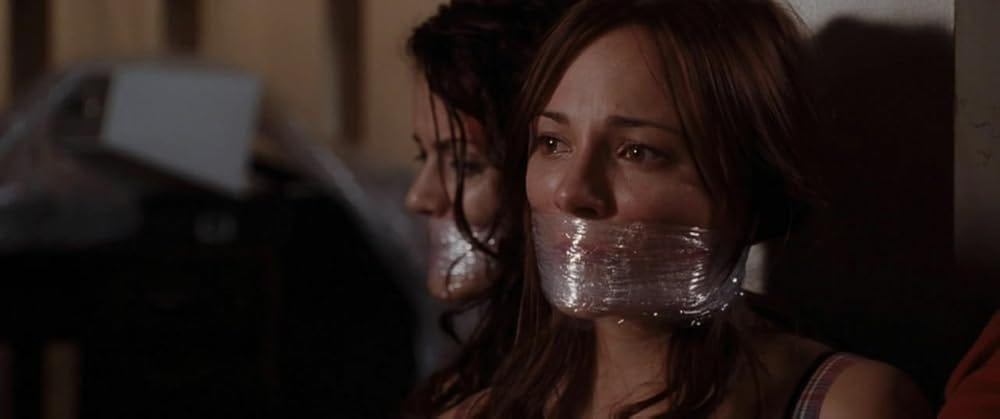
Of the most-viewed of the bunch, but still quite underseen, especially from a household name director who’s proven imperative to the genre’s modern stature. Grueling post-Sawification of Troma’s blueprint inverted and dragged through the thresholds of suburbia ruthlessly bent on eradicating any semblance of comfort or camaraderie the second it begins, hitting the smut-parallel ground running as it forces the narrative to flesh itself out alongside the concurrent slashing/gashing of it. There’s a fine-line ridden here, barely skirting the torture-porn moniker chewed up and spit out on the back-end of the 2000s—this would be nothing without its characters and their performances trapped in the face of depravity, and, boy, do they deliver, meshing together dumb-as-rocks cowardice petrified by adrenaline, a proper thread of infuriating cabin-fever stifle, and just this impressively steadfast demeanor that sinks its physical abuse deeper into some leaden emotional turmoil before it dishes out a kitchen fight scene of the decade. An incredible (and unusually meritorious) use of deplorable filmic language that crosses boundaries but in total relevance to horror without succumbing to the brutality expo it might otherwise sans Darren Lynn Bousman.
Streaming on Tubi, Plex, Prime Video, and Fandango at Home; available via Anchor Bay/Starz on blu-ray
The Passing (John Huckert, 1984)
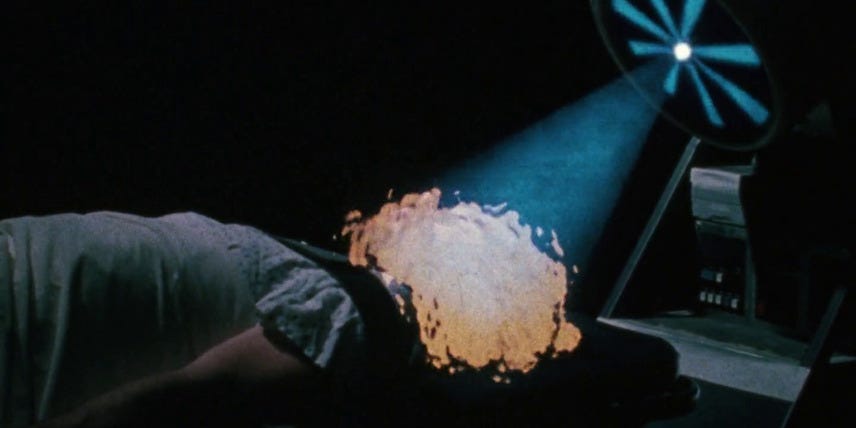
A labor of several years of love under a less-than-six-figures budget. The Passing grapples with mortality through a CRT-broadcasted brainwave undergoing a moral mitosis, splitting into heinous murder and “how did we get so old” fear of the end, appearing beamed from the celestial-scape above, but profoundly melancholic in its dichotomous disturbance thought lost at the end of the rope. Nothing else like it whatsoever—enthralling in its regional-horror tendencies, from gunk and crunchy, lo-fi grain smeared over a man’s inexplicable serial misery, but deeply melancholic in the opposite’s almost hangout film reminiscence on when life hadn’t been drowned in decay, finding these two viscerally personable skulls and their slow-converging integration while fascinating no-budget effects emulate the entire process like we’re a fly on the wall bearing immediate witness. Bewildering, and a total genre treat that would surely pair well with Altered States.
Available on YouTube; on blu-ray via Vinegar Syndrome
At Dawn They Sleep (Brian Paulin, 1999)
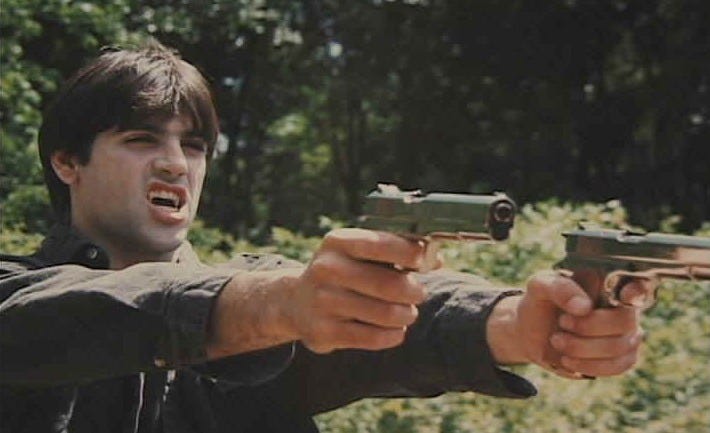
Of the truest of criminally invisible films in the genre. Hong Kong-driven action spreads its bloody, pulpy roots all the way down to the fosses of regional SOV slop, mirthfully splicing itself with imminent-Y2K, coincidentally 1999 Matrix-adjacent vampirism fit with coats, swords, black metal, and shootouts. Surprising amount of technical control and prowess over what’s not as barebones/budget-tethered horror is it may otherwise seem—the pacing rocks, it’s rife with gore, the fanged neck-sucker daze/haze is tangible and complemented well by bizarre angels/demons (fore)play… lots going for it, summoning a great concoction of genre trash and a proficient vision that comes across remarkably. Saturn’s Core’s best.
Streaming on Plex (VOD); available via Saturn’s Core on blu-ray

Skinned Deep (Gabriel Bartalos, 2004)
I could leave this with the feature image without any words and find it suitable enough, but I suppose it deserves a little verbose love. Totally nuts: like The Texas Chain Saw Massacre had a bad acid trip and ejected itself into a hallucinatory plane of bizarro gore and goof. Skinned Deep is an off-kilter fever dream of filth and hilarity, exhibiting the charismatic heights of low-budget filmmaking through a video lens’ weird-angled, nonsensical cheese that irrefutably and unapologetically rules, featuring Warwick Davis armed with weaponized plates, plenty of head trauma, and one mean villain—gets a liiiiiittle lost in its intermittent pieces, and sometimes the claptrap mischief threatens to risk it all, but damned-be if this does not conjure some of the most rewarding, unadulterated amusement with laughs and disgust as one.
Streaming on Tubi, Prime Video, Eternal Family, Screambox, and Troma Now!; available via Severin on blu-ray
Rings of Fear (Alberto Negrin, 1978)
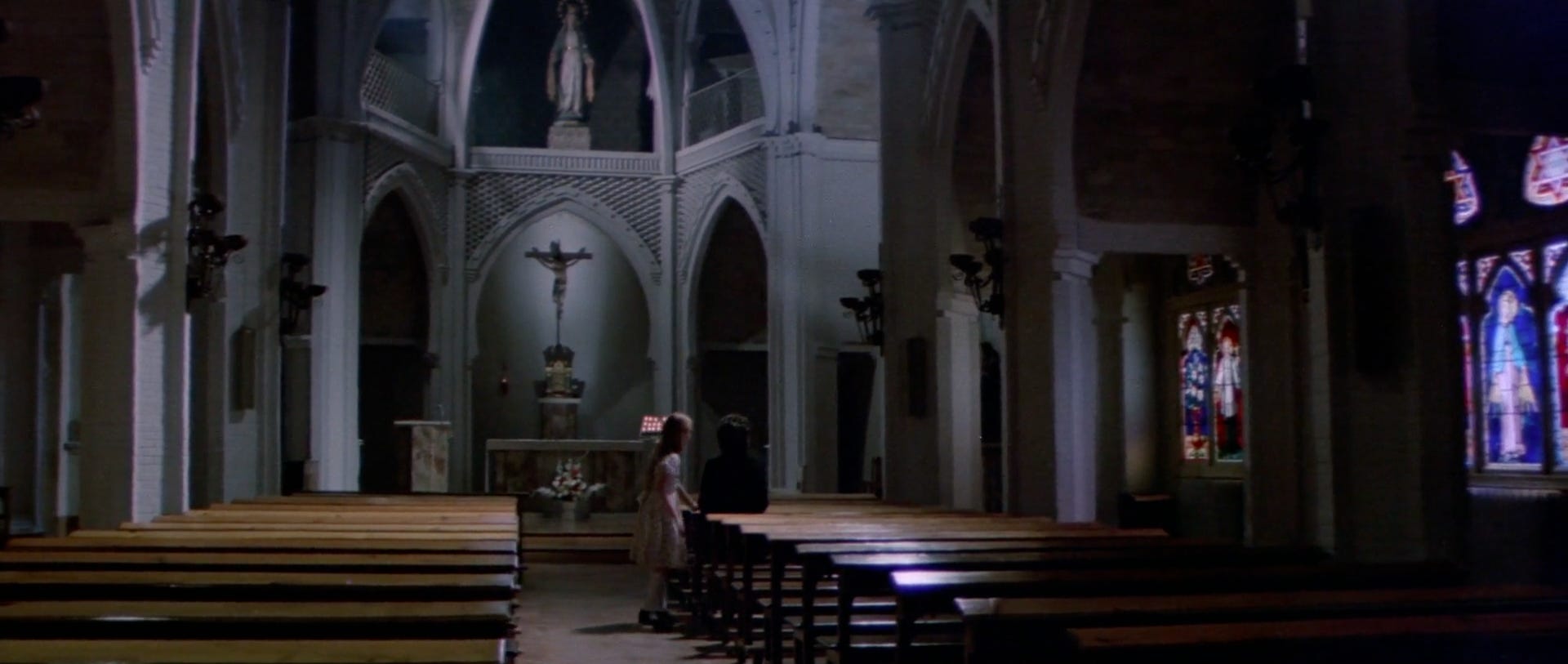
Italo horror can be difficult to pinpoint in the realm of gems, with giallo being an oversaturated commonplace for tropes often indistinguishable for veterans or casual enjoyers of the territory alike, making films like Rings of Fear pop in a colorful balloon’s burst of flavor like no other. Alberto Negrin’s solo genre outing is a giallo-tinged poliziotteschi soaked in a Bob Clark’s Black Christmas lurk, clanging bellowed piano keys in a schoolhouse’s imminent doom. The film omits gratuitous violence for a looming darkness and sharp attention to set design/pieces, like whispers in the shadows before an aftermath of calloused blood leaves its stain—the mystery and sleaze merge onto an Argento-protégé’d series-B of suspense and invasive camerawork that may be less both physically graphic or narratively zany, but laced with a palpable horror that’s as natural and charismatic as they come: creepy, voyeuristic, absurd, and, thanks to Fabio Testi and his cats (and a marble-decorated stairwell with, um, “good intent”), quite heartened.
Streaming on Prime Video and Eternal Family; available as part of the Forgotten Gialli Vol. 8 via Vinegar Syndrome on blu-ray
New Religion (Keishi Kondo, 2022)
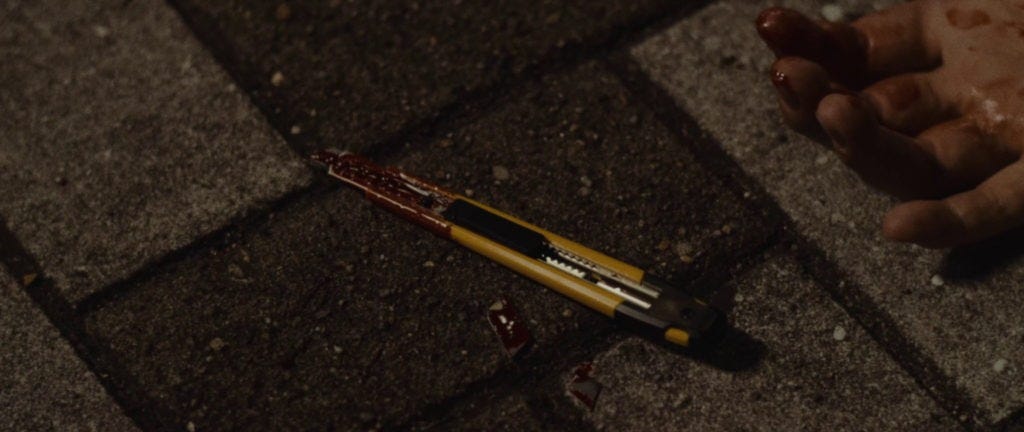
Might be easy to chock this up to the mundanity of the medium’s saturated landscape of the grief-horror machine, but, man, there’s just something so profoundly mesmeric about the density of the subject matter as it navigates loss and a discomfort with being in your own skin, seeking refuge in low-light darkrooms where the soft glow of reality seemingly doesn’t exist. Beautiful cinematography and score, working in harmony to thicken the somber atmosphere with melancholy in escapism and wavering acceptance—grainy, and opaque. One from the confines of the streaming era.
Streaming on Screambox, Prime Video, Kanopy, and Fandango at Home; available via Graveface on blu-ray
The Sentinel (Michael Winner, 1977)
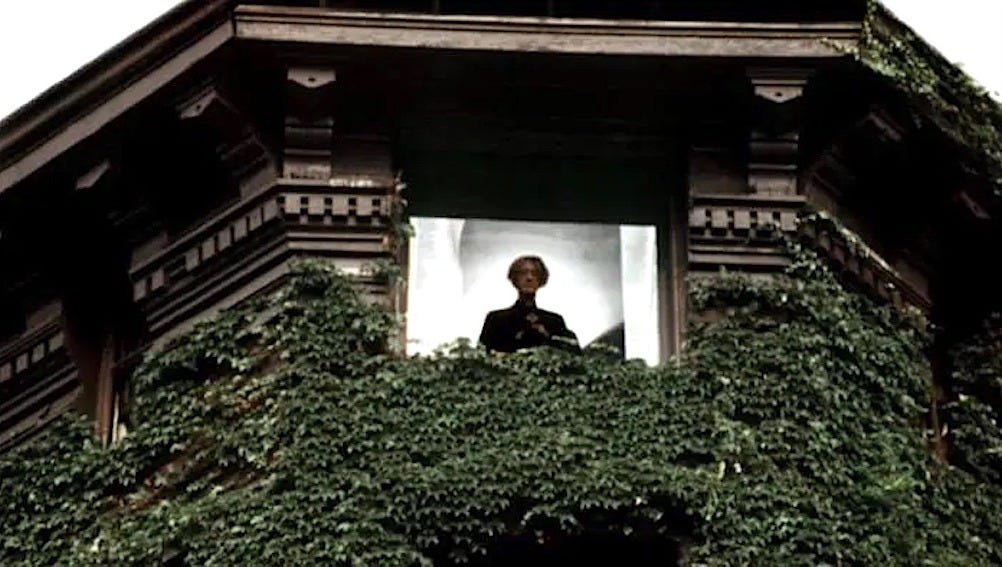
Possibly another reach in being an off-the-radar pick, but it deserves proper recognition here as much as it deserves to be part of any conversation about 1970s horror. Somewhere at the crossroads of Let’s Scare Jessica to Death and the remnants of Ira Levin’s apartment 7E, The Sentinel delivers a slice of sweet ‘70s grandeur rich with reds, greens, and whites, each doing their fair share of wrapping, cloaking, blanketing, embracing, and ultimately terrifying our Cristina Raines in an impeccable lead role of haunted house/supernatural/hyperreal horror. Runs like a procedural, circling a drain of high-grain suspense as it digs into clues on one end, and falls prey to the creaky floorboards beneath them on the other, peeling the narrative’s wallpaper like flesh and its eagerly-red blood just aching to gush from beneath it—excellent, steady grasp on direction, denouncing the hollow rings of mere Polanski ripoff accusations pretty immediately as it churns it shocks out of a separate strain of neighborly mayhem and occultism that shifts in and out of perspective.
Streaming on Darkroom; available via Shout!/Scream Factory on blu-ray
That’s a wrap! There’s an infinite amount of grandeur to be found in the trenches of horror’s less-traversed dirt, and, hopefully, this handful has been exemplary of still just the surface of wonder that exists in the underneath. Keep up on my favorite horror viewings in my frequently-updated list along with the supplemental arrangements listed in the description, over on Letterboxd.